

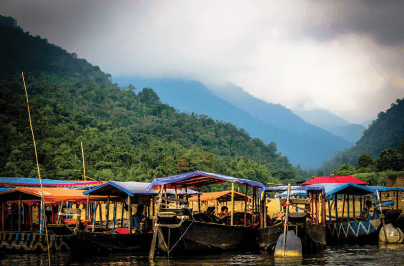
Bangladesh has a distinct seasonal rhythm, and the best time to visit depends on the places you want to see and the kind of journey you enjoy. A city-and-heritage itinerary has different needs from a wildlife trip, a tea-country escape, or a beach holiday. Understanding the cooler months, the hotter pre-monsoon period, and the rainy season makes it much easier to plan a comfortable route.
October to February: the most comfortable all-round period
For many international travelers, the months from October through February offer the easiest conditions for exploring Bangladesh. Humidity is generally lower, daytime sightseeing is more comfortable, and road journeys are less affected by heavy rain. This period suits walking tours in Old Dhaka, archaeological sites around Rajshahi and Bogura, tea gardens in Sreemangal, and longer multi-region itineraries.
Late autumn and winter are also popular for river travel and visits to the Sundarbans. Cooler air can make time on deck more pleasant, although wildlife sightings are never guaranteed. Demand can be higher during major holidays and the peak winter travel period, so transport and accommodation are worth arranging early.
March to May: warmer days and a slower pace
Temperatures and humidity rise during the pre-monsoon months. Travel remains possible, but itineraries benefit from early starts, shaded breaks, and fewer activities in the middle of the day. This can be a rewarding period for travelers who prefer smaller crowds and are comfortable adapting their schedule to the heat.
Carry light, breathable clothing, sun protection, and a refillable water bottle. If your route includes the Chittagong Hill Tracts or other remote areas, confirm local access arrangements and allow extra time between stops.
June to September: green landscapes and monsoon character
The monsoon transforms fields, wetlands, rivers, and tea country into vivid green landscapes. Photographers and travelers interested in rural life may find the season especially atmospheric. Rain is not constant every day, but intense showers can disrupt roads, ferries, flights, and outdoor plans.
A monsoon itinerary should remain flexible. Build in buffer time, protect electronics and documents, and avoid planning tight same-day connections. Conditions can vary significantly by region, so check local forecasts shortly before each journey.
Choose the season by destination
- Dhaka, Sonargaon, and heritage sites: cooler months make long walking days easier.
- Sreemangal and the northeast: green scenery is attractive during and after rain, while winter is more comfortable for trails.
- The Sundarbans: cooler, drier months are generally preferred for multi-day boat travel.
- Cox's Bazar and the southeast: check sea conditions and regional weather, especially during the monsoon.
- Wetlands and river landscapes: water levels and scenery change dramatically across the year.
Plan around your priorities
There is no single perfect month for every traveler. Choose winter for broad comfort, the warmer months for a quieter and more heat-tolerant journey, or the monsoon for lush scenery and a flexible adventure. Before departure, review current forecasts, transport notices, and any destination-specific access requirements. A little seasonal planning will make a Bangladesh itinerary safer, smoother, and far more rewarding.